How a random flyer started a 12-week journey
Driving Change: Car Next Door and the Car Share Economy
TLDR
Car Next Door let people rent their neighbours' cars. A friend and I researched the service from the outside, as customers, with real users and through the market, and found an app that buried the platform's biggest advantage: its range of cars. We replaced it with a mobile-first app built around finding the right car, trusting it and getting through a trip, and repurposed the website to bring in the owners that range depended on.
A Flyer in the Letterbox
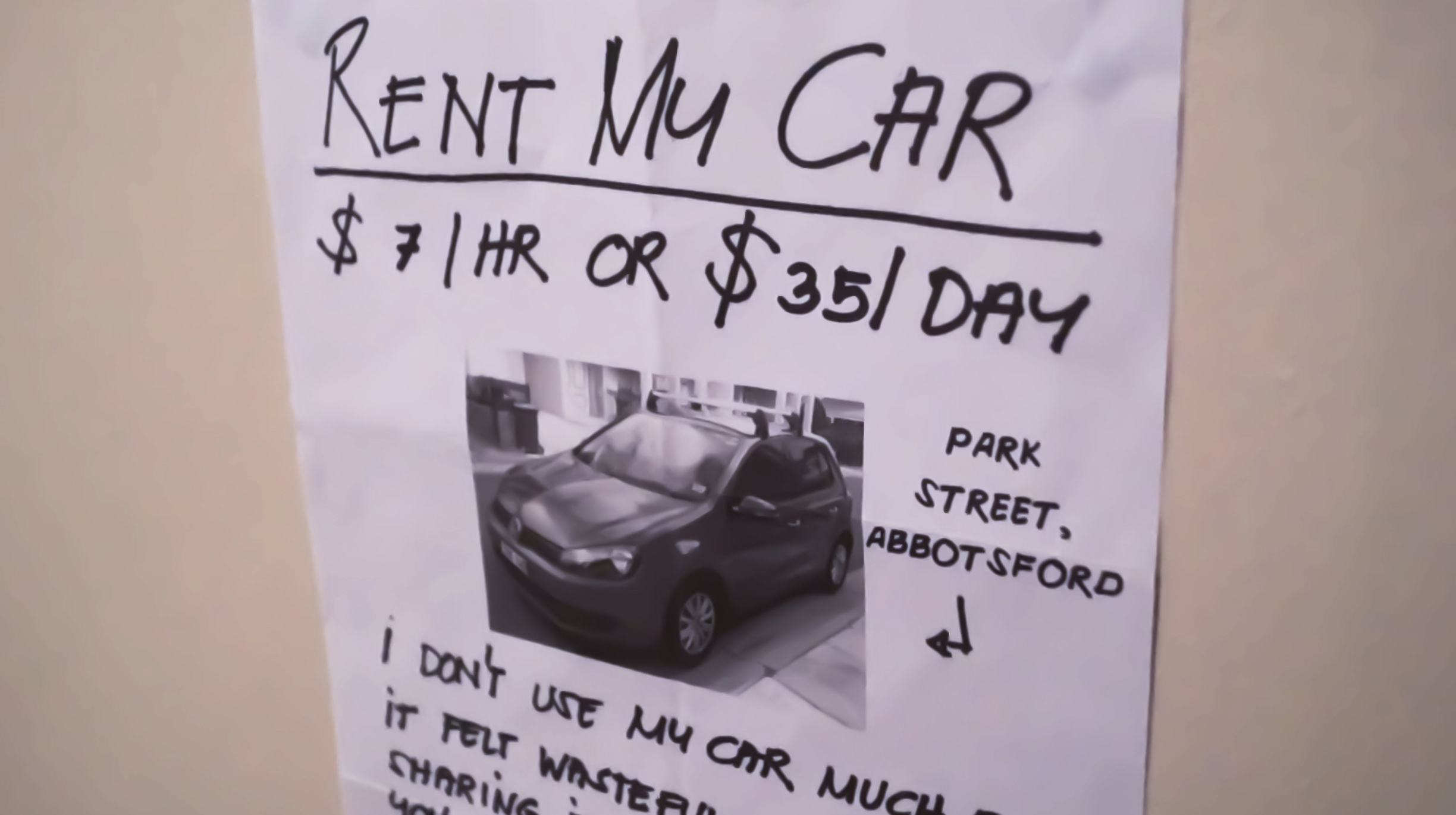
Car Next Door was Australia's peer-to-peer car sharing platform, on a mission to free people from the "one car, one person" mentality. A friend and I were always on the lookout for causes that matched our values, and we eventually found one in the most unexpected way: a flyer in our mailbox.
Over the next 12 weeks, we researched and redesigned the Car Next Door experience. Working from the outside shaped how we operated: every insight had to be earned firsthand, as customers, from real users, and from the market itself.
In the Driver's Seat
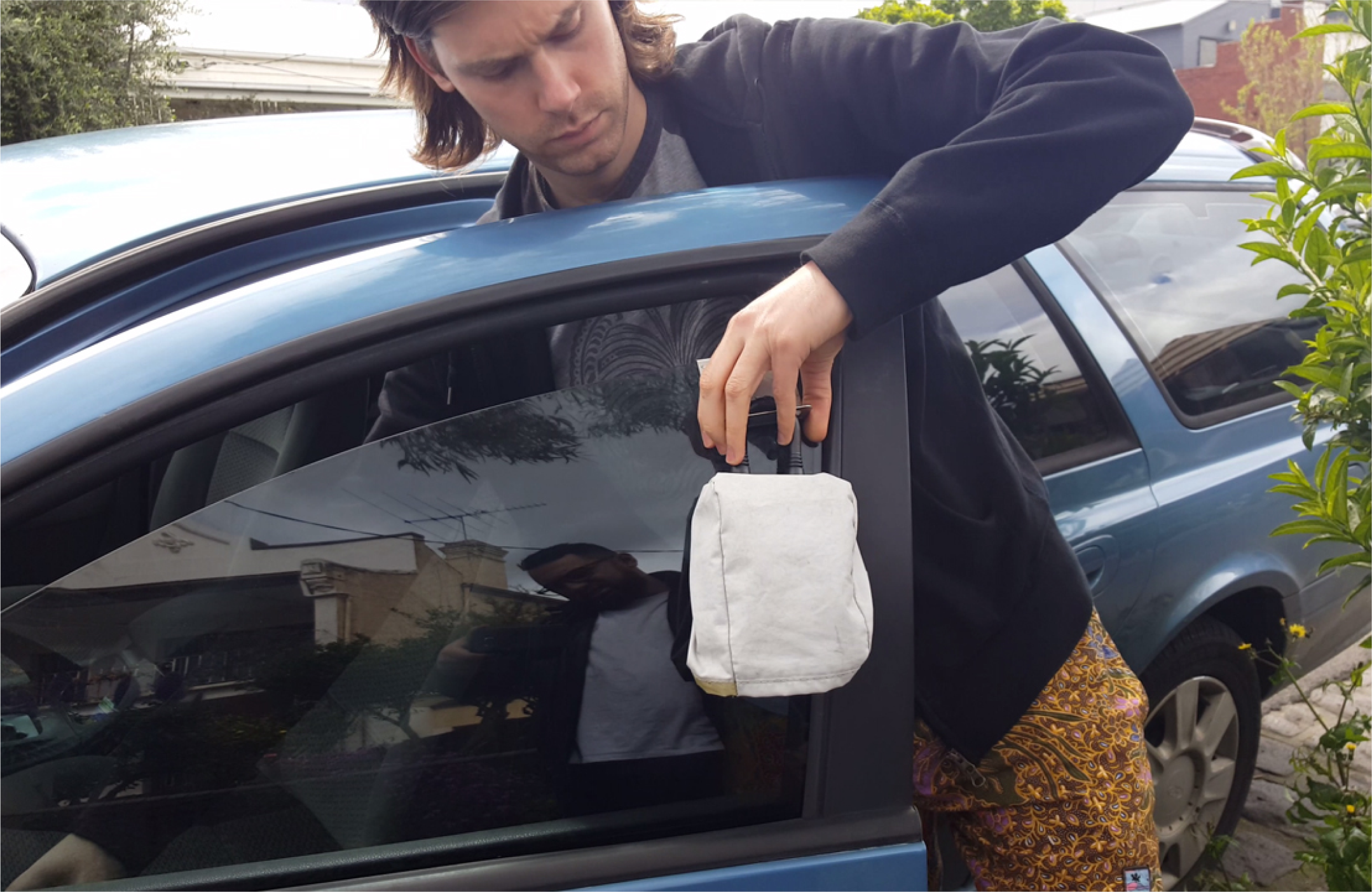
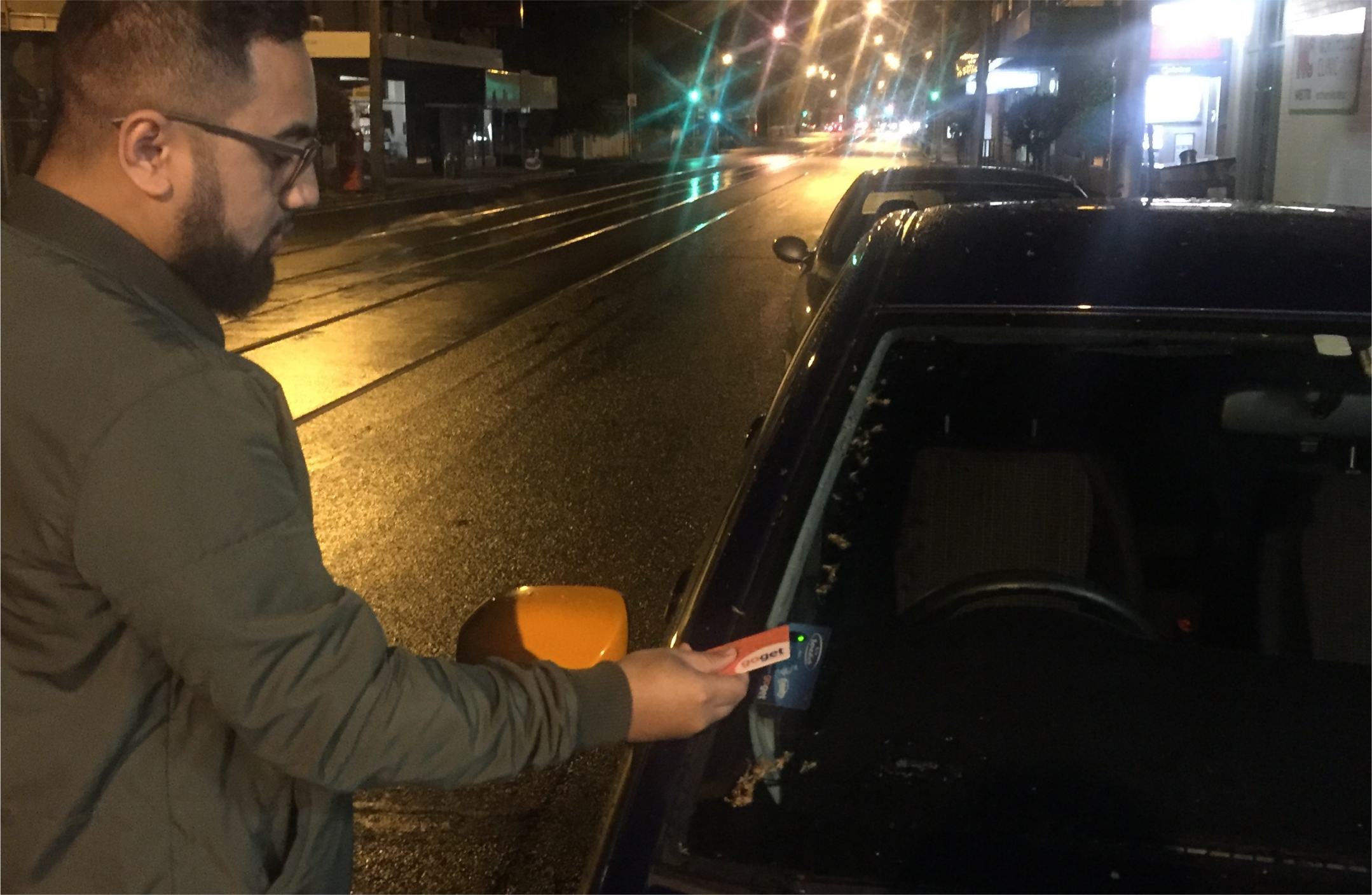
Before any formal research, we became customers. We signed up, booked cars, and completed trips with Car Next Door and each of its competitors.
We documented every step, from creating an account to handing back the keys, and built up customer journey maps and a library of screenshots and recordings across web and mobile. It kept our later analysis honest: it's hard to hold on to assumptions once you've fumbled through the real thing yourself.
Driving Insights
We shadowed 12 users through the full loop of finding, driving and returning a borrowed car, ran usability tests on the digital experience, and analysed more than 200 online reviews, sorting every comment into themes.
The biggest problem wasn't the app. It was getting into the car: lockboxes left off, codes that didn't work, keys that weren't there. About half of the reviews rated three stars or below described it, and seven described a dirty or poorly kept car. The positive reviews pointed somewhere else: around a third of five-star reviewers mentioned a specific vehicle or job, like a ute for moving house or a 4WD for camping.
Through a fortunate connection, we also got access to a newly released industry report covering market performance, forecasts and the competitive field. It valued the industry at $69.7 million, growing about 26% a year, and showed where the gaps were. Vans were the smallest segment because most providers offered a single model, and 70% of revenue came from 15 to 34-year-olds, the group quickest to adopt apps. That report did a lot of quiet work: it told us which problems were worth solving first, and which were merely annoying.
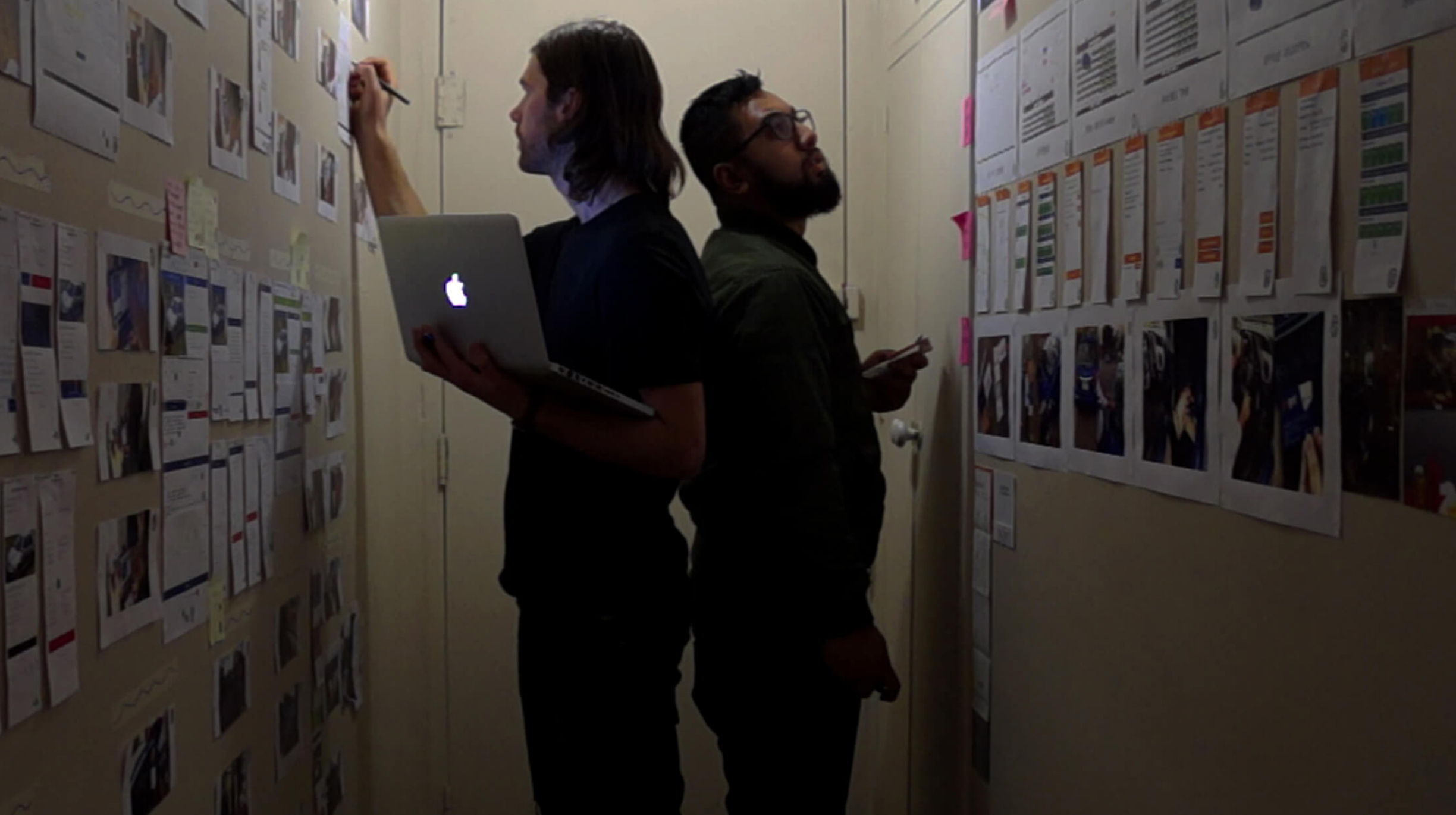
Shifting Gears
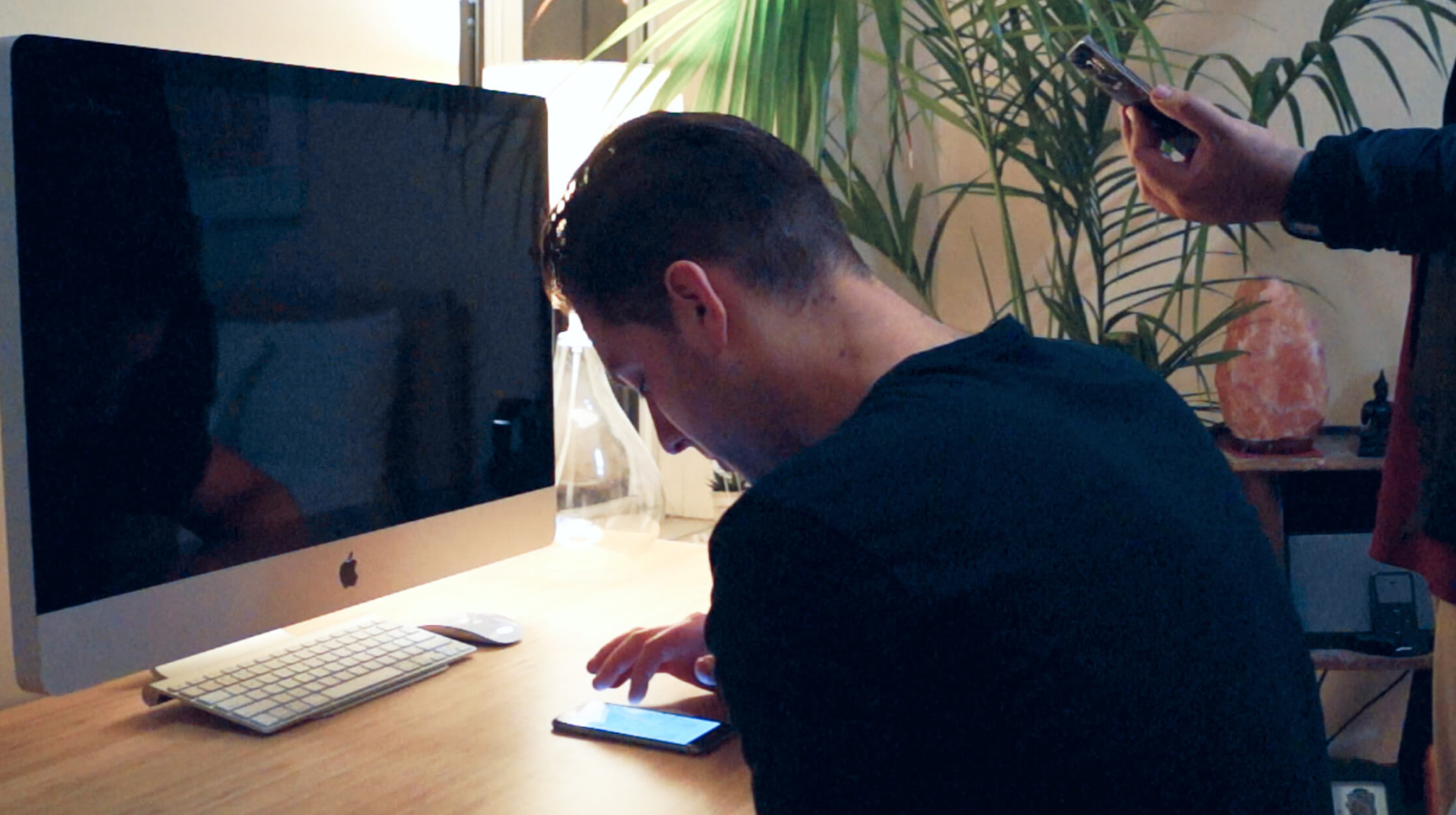
Car Next Door's web app tested poorly across the board. On mobile, sign-up buttons were too small to tap, car photos opened new pages testers couldn't find their way back from, and after booking, people were left asking "Successful… what now?" Most participants also told us that once they had an account, they'd use Car Next Door only on their phones.
That made patching the web app the wrong fix. It would have spent the effort on a version most people wouldn't use after signing up. So we replaced it with a mobile-first app, built around the three problems the research kept returning to: finding the right car, trusting it, and getting through a trip without missing a step.
The Perfect Set of Wheels
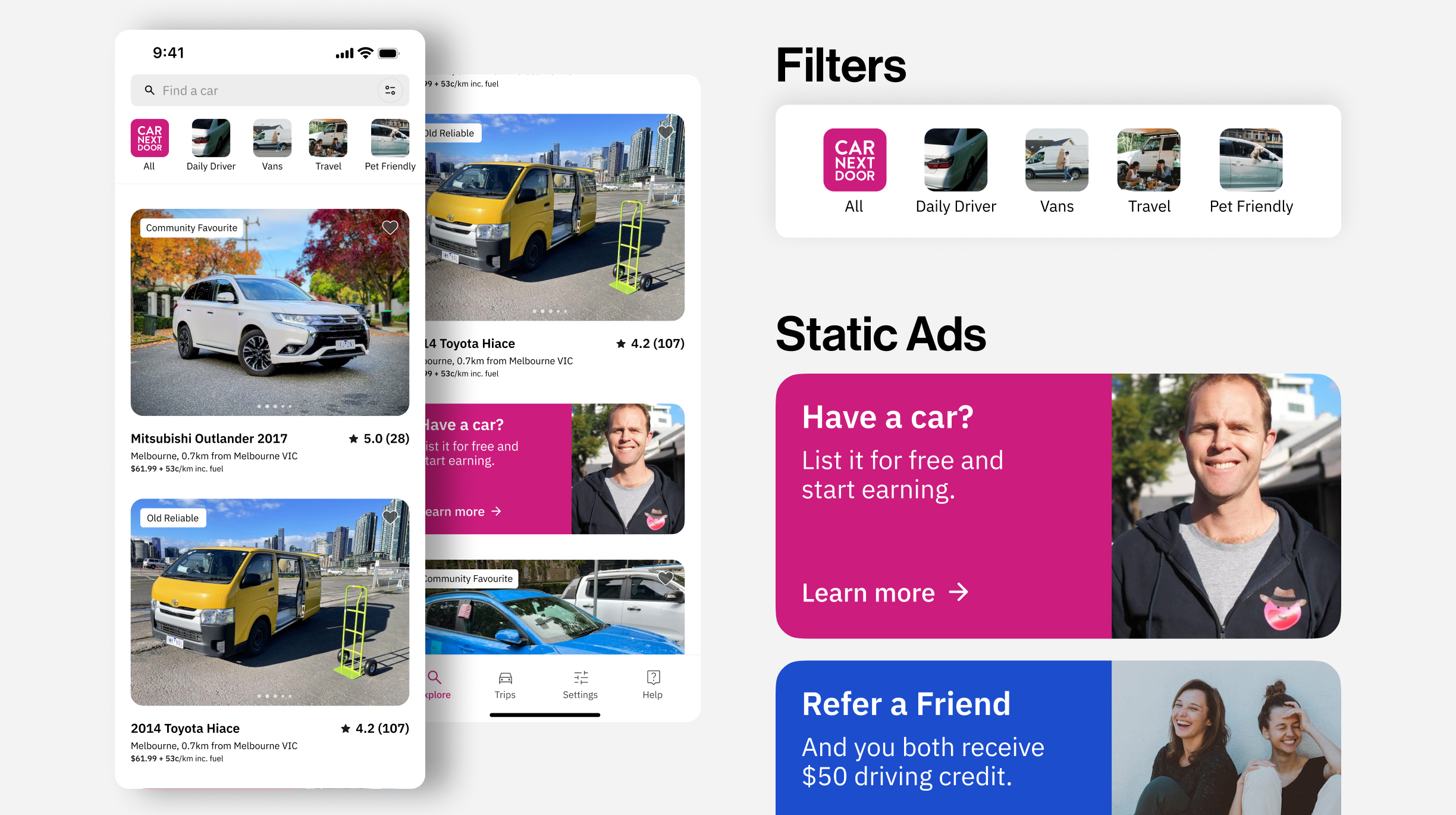
Finding the right car should have been Car Next Door's strength. GoGet, Hertz and Flexicar ran uniform fleets, while Car Next Door's community supplied everything from daily drivers to vans and pet-friendly cars. But the mobile site couldn't filter by car type, so one reviewer switched to desktop just to find the right one, and search listed cars that weren't available. "Why would you bother showing a car that's unavailable?" one tester asked.
That variety gave us a better way to connect people to the car they needed. Because the supply was so broad, we could surface filters as shortcuts on the home screen: a daily driver for errands, a van for moving house, a car for a trip away with your mates. Our bet was that getting people to the right car sooner would lift conversion.
The big challenge for us is working out how to get more cars on cheaper, quicker and easier.
The filters only work while there's variety to show, and that depends on owners continuing to list their cars. With renters on mobile, we repurposed the website for owners, putting a "What could your car earn?" calculator at the front door, where a search or a letterbox flyer could point to it: enter the make, model and suburb, and see what the car could earn in a typical month. The app carried in-feed ads as well, for renters who own a car but need something it can't do, like a van for a move.
A Double Edged Sword
More owners meant more variety, and far less control. Competitors could send a cleaning crew and run scheduled maintenance, but Car Next Door had to design for trust instead. Our testers assumed Car Next Door checked and maintained every car before listing it. It didn't: as one reviewer put it, there had been "no car check by CND since initial check & installation."
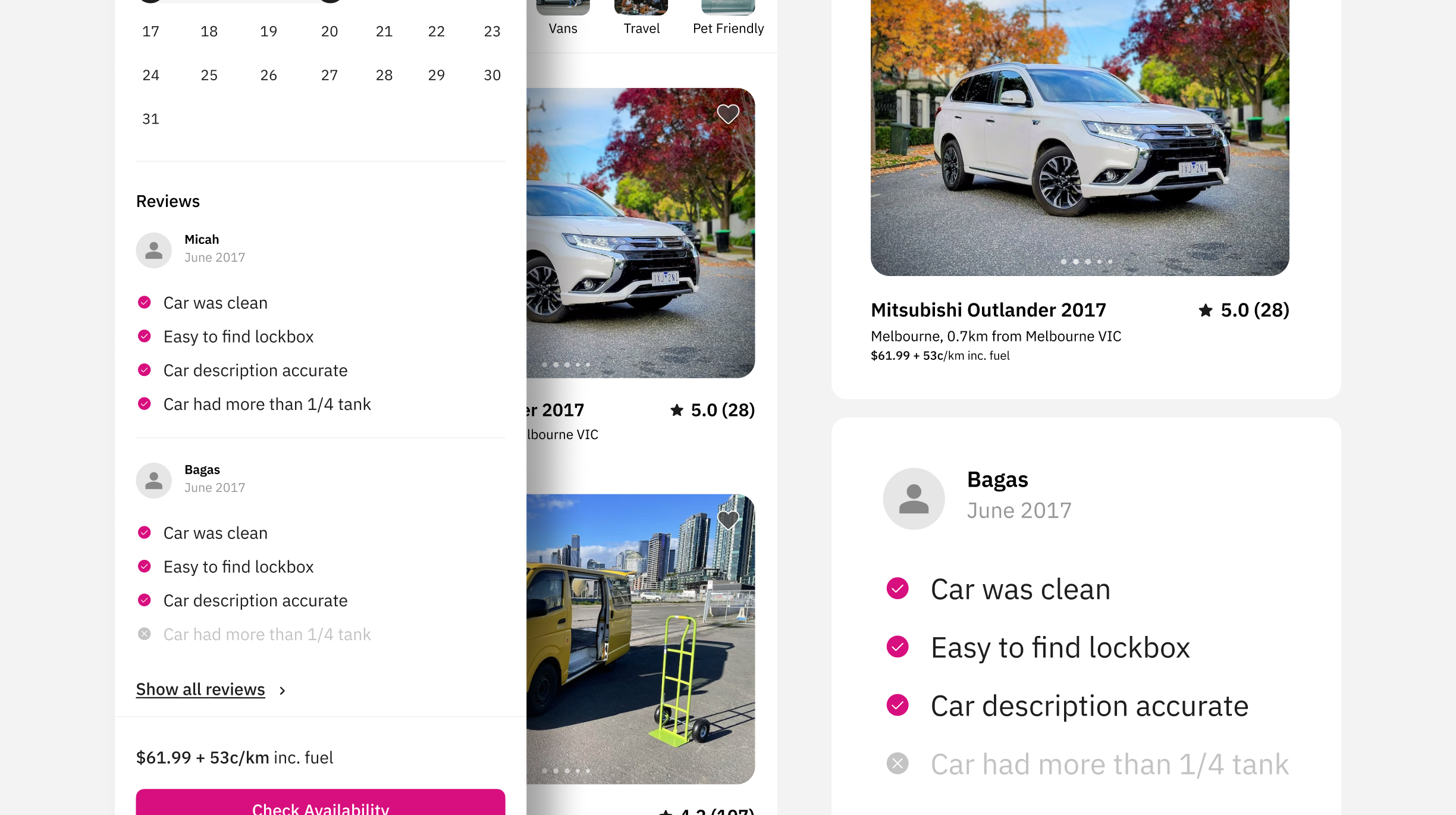
Our answer was a rating system that held both sides accountable. Renters scored each car on cleanliness, ease of use, accuracy of description and operating condition, and owners got a private channel for flagging troublesome renters straight to customer service. Accountability, not a cleaning fleet, was the version of quality control this business could afford.
Information on Cruise Control
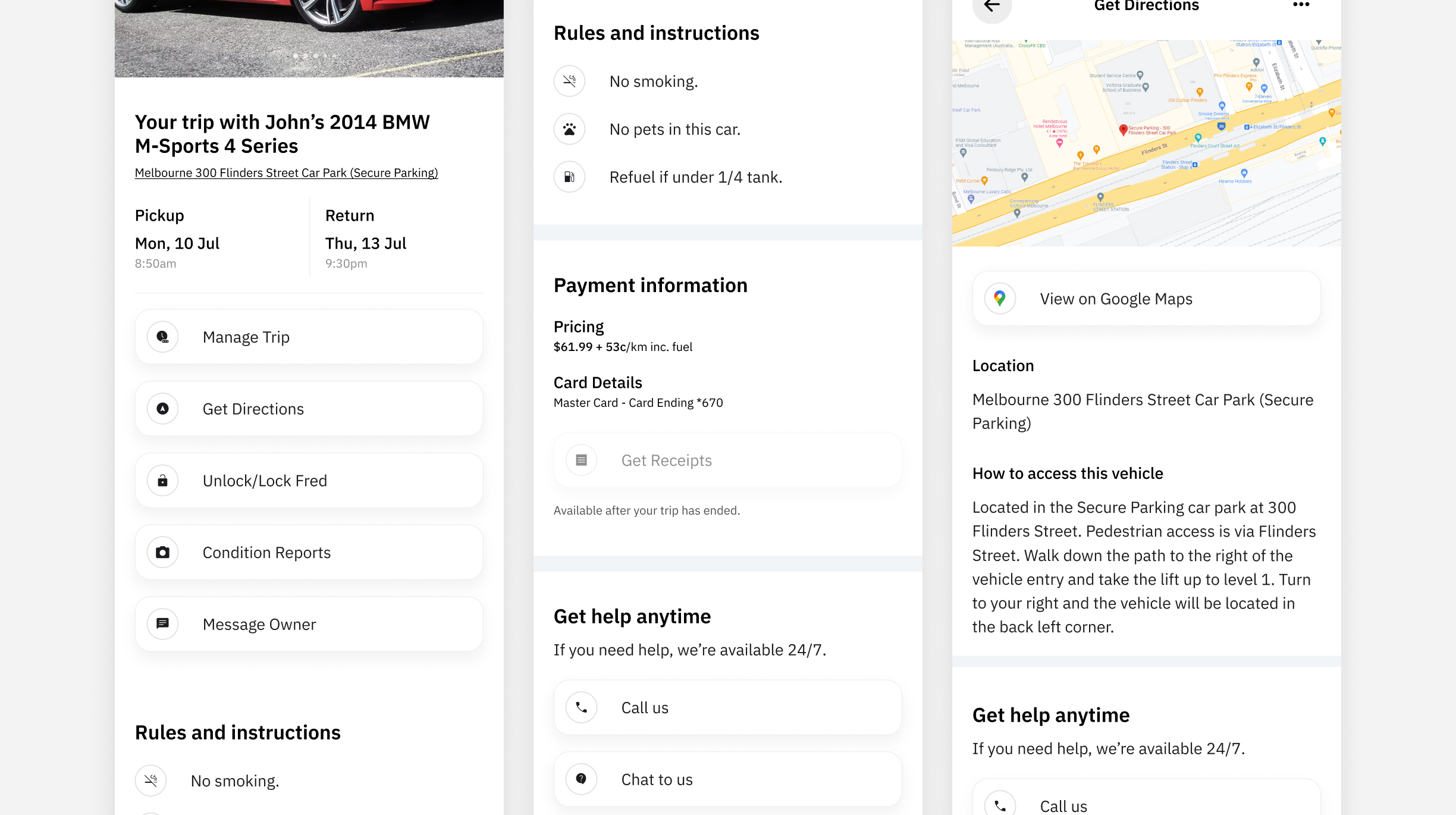
The last problem was the trip itself. Car Next Door showed users everything at once, at every step. Several test participants were so busy working through the lockbox steps that they forgot a crucial one: locking the car.
That moment turned information overload from an annoyance into a service risk: someone's car, left unlocked. We applied progressive disclosure, showing information only at the point it was needed, and reworked the information architecture so the critical details were easy to find instead of buried.
Sweetening the Deal
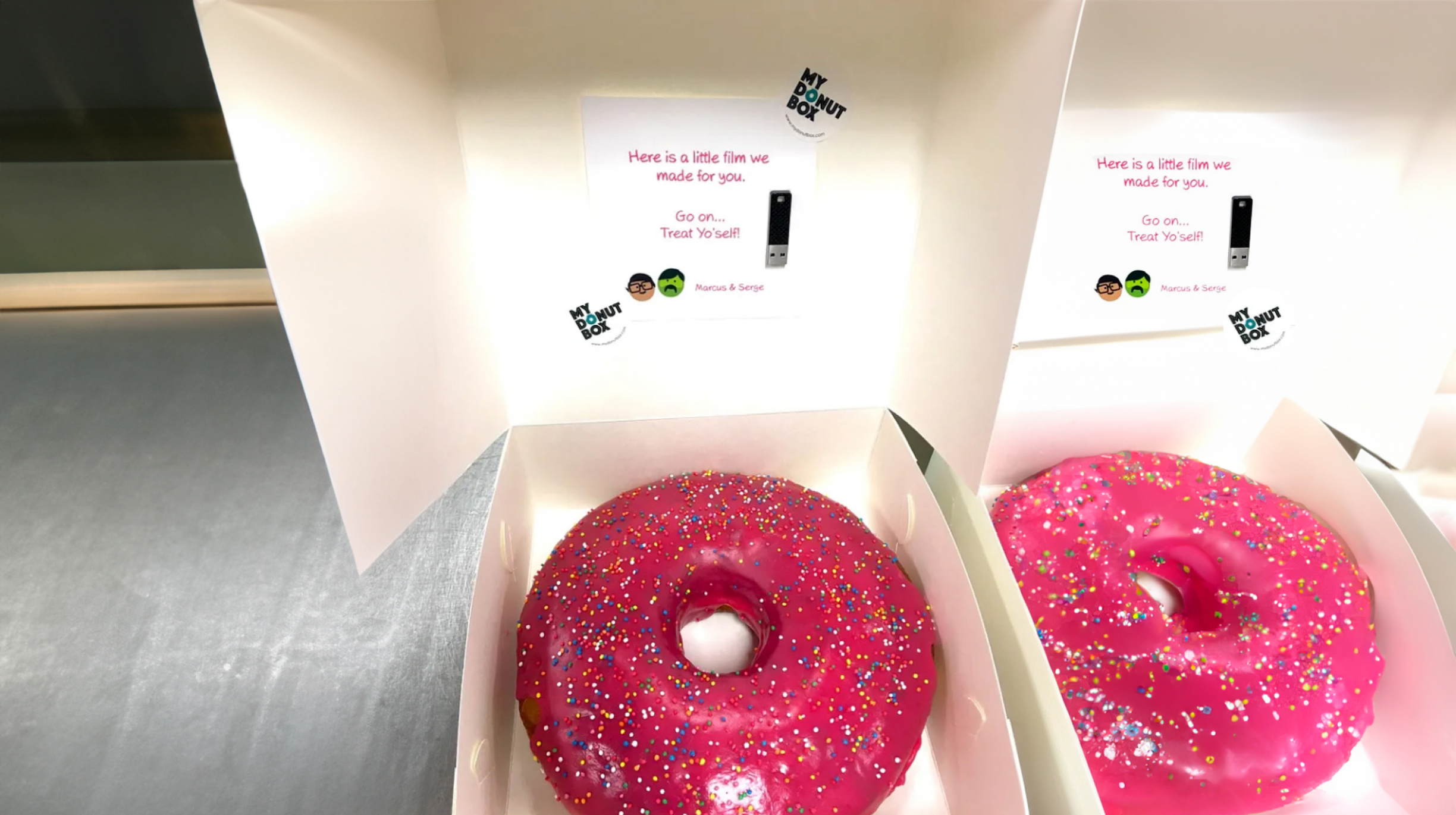
The work was only useful if it reached the people who could act on it, and a cold email from two strangers is easy to ignore. So we sent Car Next Door's offices and investors a short film on a USB, delivered alongside two giant ten-inch donuts.
The film introduced who we were and what we'd built. Our friends at My Donut Box handled the sweetener. Within a week, we were sitting in Car Next Door's Sydney office.
Watch the film here.
A Worthwhile Ride
The first question in the room was: "Do you guys send giant donuts to every company you try to pitch to?"
Will Davies, the CEO, was surprised that two strangers had put this much time, effort and money into his company, with nothing asked in return and no guarantee the work would ever see daylight. The team found the research insightful and put it to use in their own projects.
Uber acquired Car Next Door in 2022 and rebranded it as Uber Carshare. In September 2024, Uber closed the service, citing the rising costs of insurance, theft and vehicle repairs.
Parking Up
Everything in this story traces back to one letterbox flyer. It brought us to Car Next Door, and it became part of our answer: the way in for the owners the platform needed.
We got to back a mission we believed in, and the work found a real audience inside the company. Not bad for junk mail.