Where Credit's Due
Dining out happens once a fortnight. We built EatClub a loyalty program that lived in all the days in between, and grew monthly credit spenders 27x in eight months.
Setting the Table
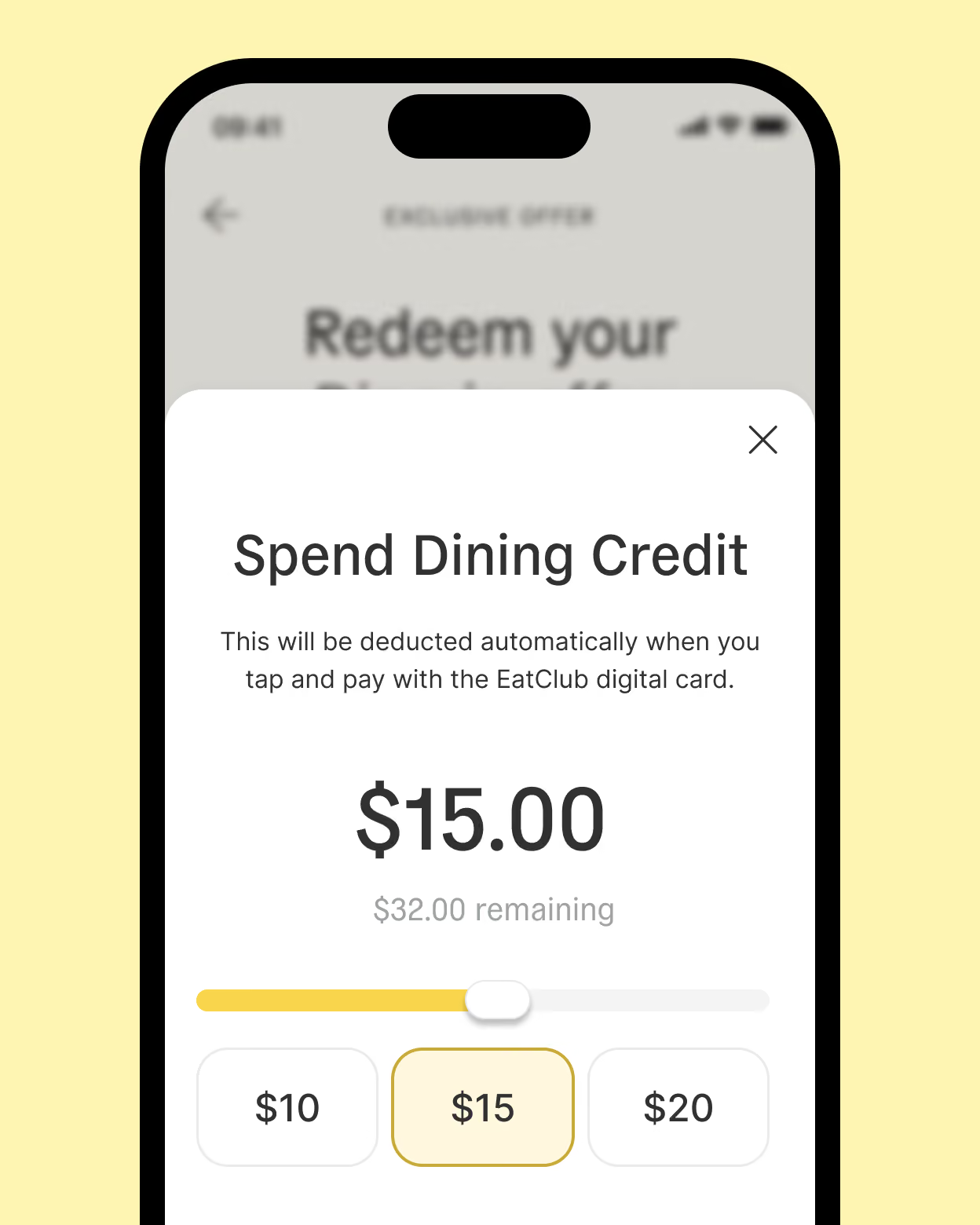
EatClub's trade is simple. Restaurants turn unsold capacity into real-time offers, diners end up at tables they'd never have thought to book, and the discount comes off the bill automatically when you pay with the EatClub card. No codes, no vouchers, no awkward moment at the register.
That model carried the platform from roughly A$11M to A$35M in annualised revenue across 2025, at more than 6,000 venues.
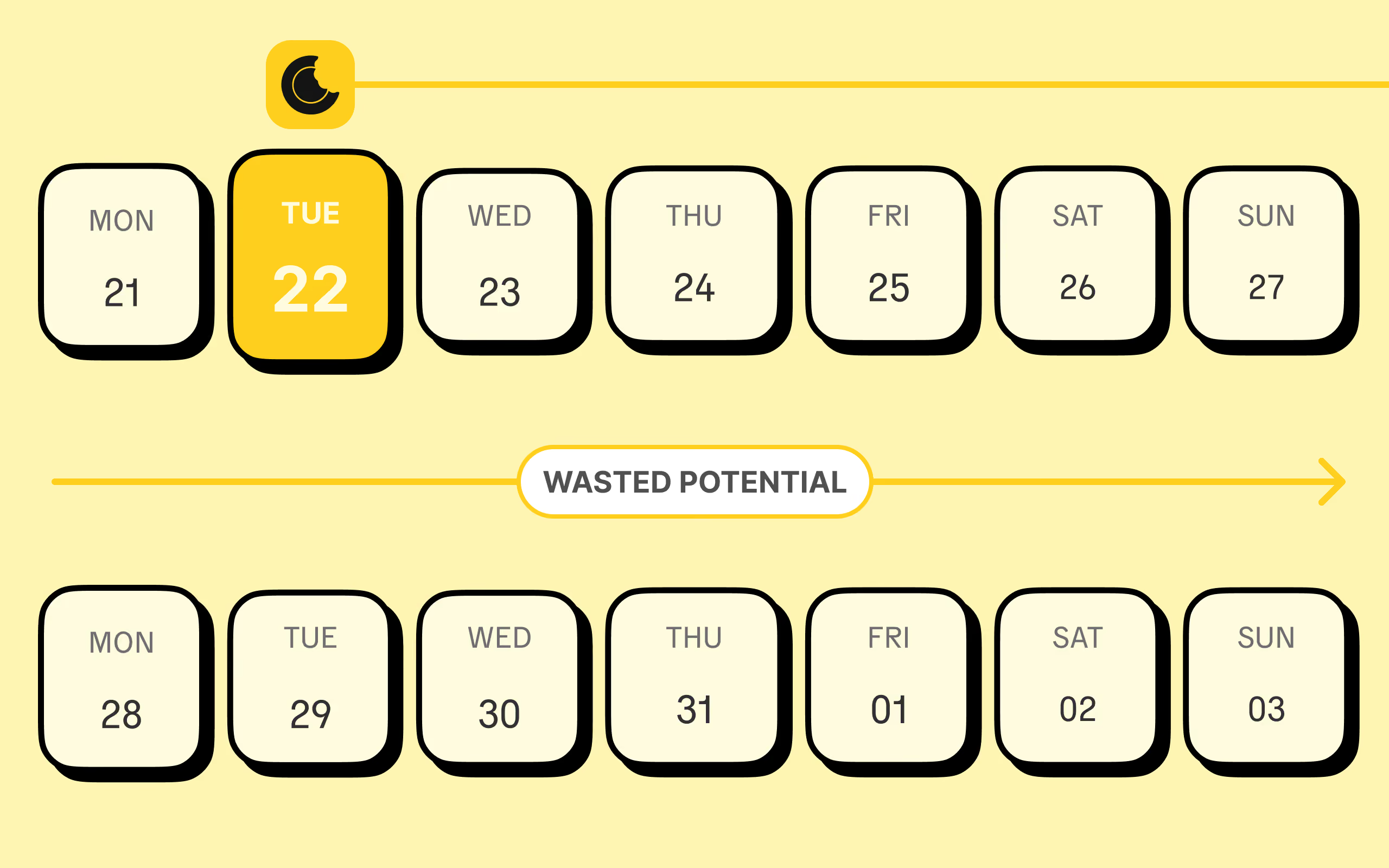
Growth exposed the ceiling, though. However good the deal, most people eat out once a fortnight. On the thirteen days in between, EatClub simply didn't exist.
Room for Seconds
Every retention lever we had (vouchers, boosts, cash subsidies) worked brilliantly, and worked exactly once. The value was redeemed, enjoyed, and gone by dessert.
Generous, and completely without memory. The diner got a cheap dinner, the venue covered a table, and nothing was left behind to make the next booking any more likely than the last.
We'd been trying to manufacture a high-frequency habit inside a low-frequency activity. Meanwhile, the daily touchpoints we wanted already existed: at the coffee counter, the supermarket checkout, the servo. They just weren't ours.
So we flipped the question. Not "how do we reward dining harder?" but "how does value build up between meals, so the next booking feels inevitable?"
Three Sides to the Table
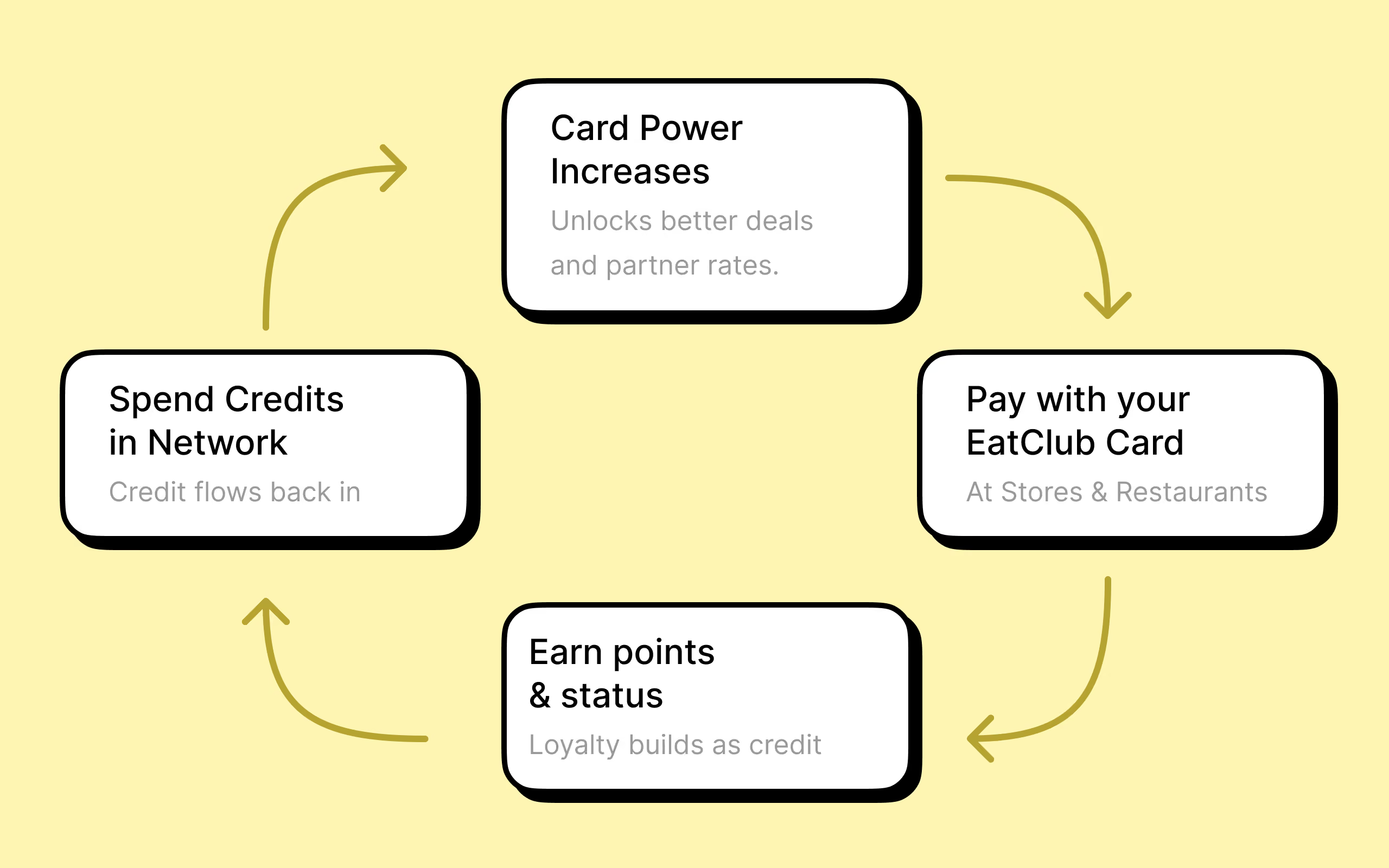
The mechanism: earn anywhere, spend only on dining. Every tap for daily essentials feeds credit back into a future restaurant visit.
Credit that accrues quietly builds a switching cost. The longer you stay, the more your balance is worth. And because it can only be spent at EatClub venues, your grocery run is effectively earmarked for dinner.
The venue end is where the distinction really pays. The meal comes out of a balance the customer built themselves, not out of the restaurant's margin. Venues get demand from people who've already decided to spend, without discounting a cent to attract it.
It's a three-sided loop dressed as a two-sided one. The platform gains scale and defensibility, the customer gets compounding value, and the restaurant gets full-margin covers. Every turn of the wheel has to pay all three, or it stops turning.
Turning the Wheel
At launch: a trickle of monthly credit spenders. Eight months later: a 27x increase.
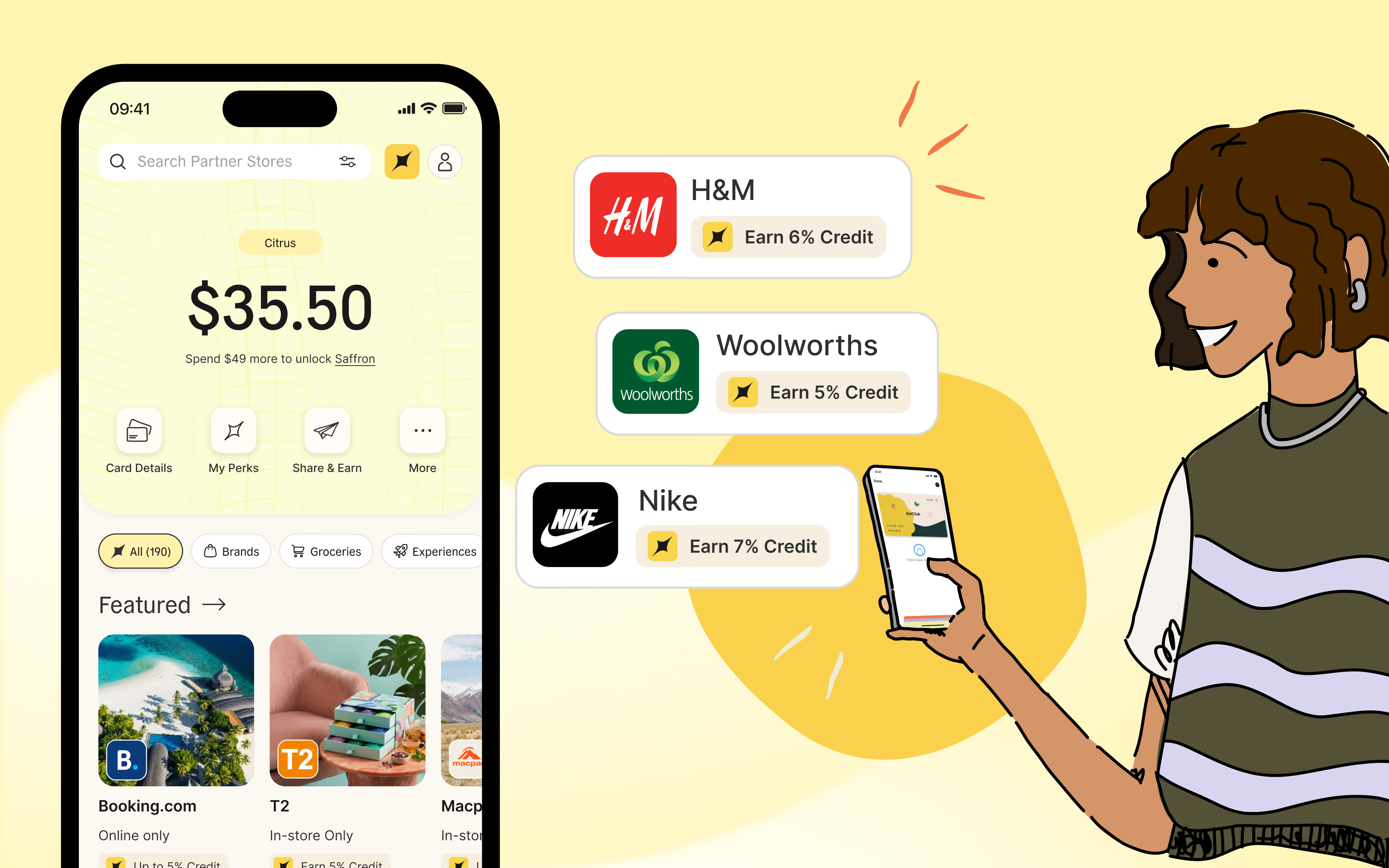
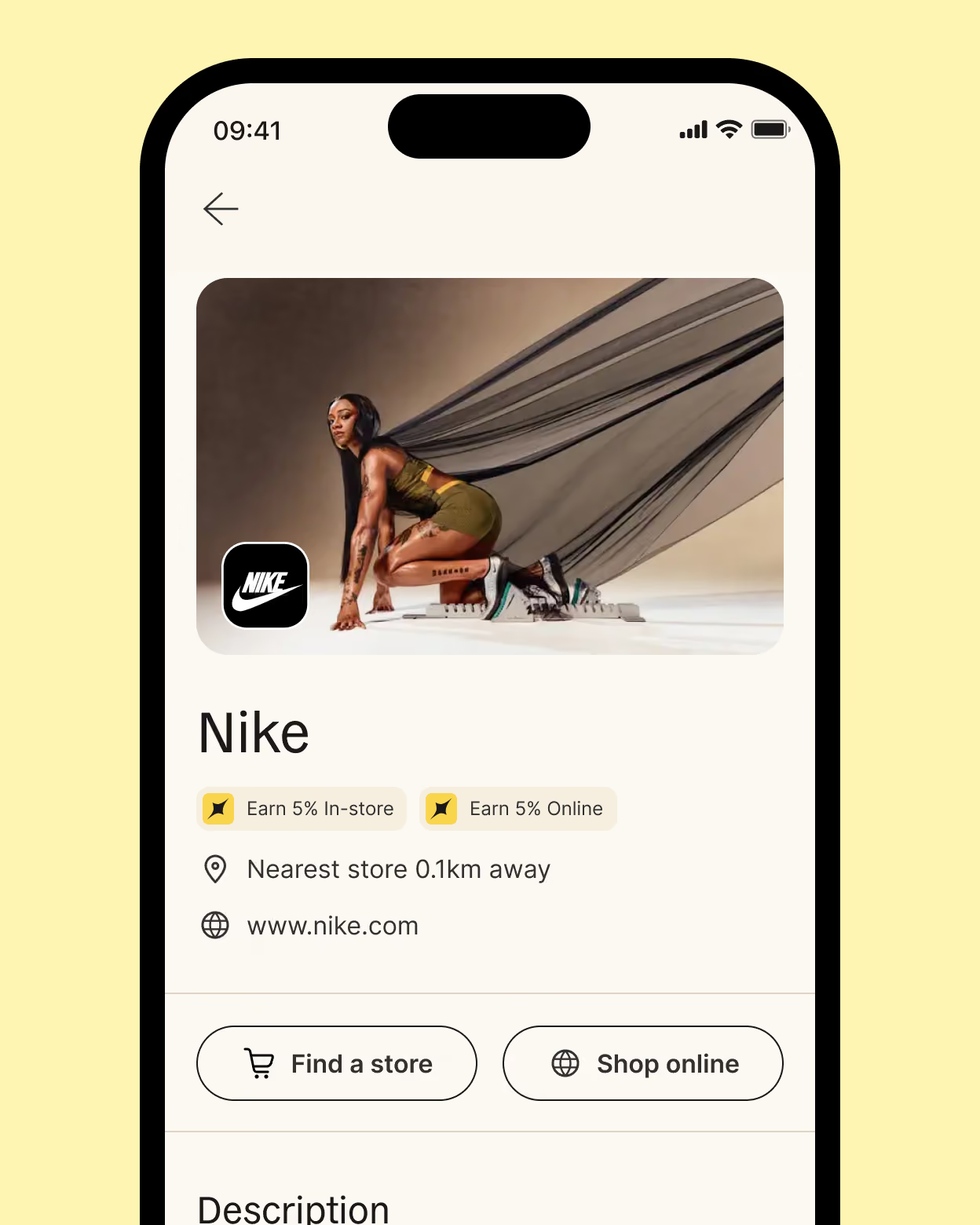
Earning started narrow, a handful of partner stores, and widened month by month. The real unlock was groceries: Coles, Woolworths and Aldi, the kind of places people turn up to weekly whether or not dinner is on their mind. With more places to earn, more people had a reason to keep checking in, and monthly visits to the Earn Tab, where balances and partners live, more than tripled.
Credit spending followed the same curve a few months behind; balances need time to build before there's anything worth spending. By May it had properly inflected, helped by online merchants joining the earn side and business spending getting its own profile. People were soon paying for dinner with credit built at the checkout, and monthly restaurant card taps climbed more than 120%.
Settling the Bill
Monthly credit spenders grew roughly 27x in eight months. The deeper win: EatClub stopped being an app you open when you're hungry and became a card you tap every day.
The flywheel worked because it was built as one system. The earn side, the spend side, and the venue economics were never treated as separate problems, and that's my honest read on why it scaled: a loyalty program bolted onto an app is a points scheme, but a loyalty program designed into the economics is a moat.
The Last Bite
Funny thing about building a dining product: the biggest wins happened nowhere near a restaurant.
The card started life as a way to get a discount at dinner. These days it tags along for every coffee, every grocery run, every stop at the servo, quietly setting the table for the next one. Now go shout yourself dinner; your groceries already paid for it.